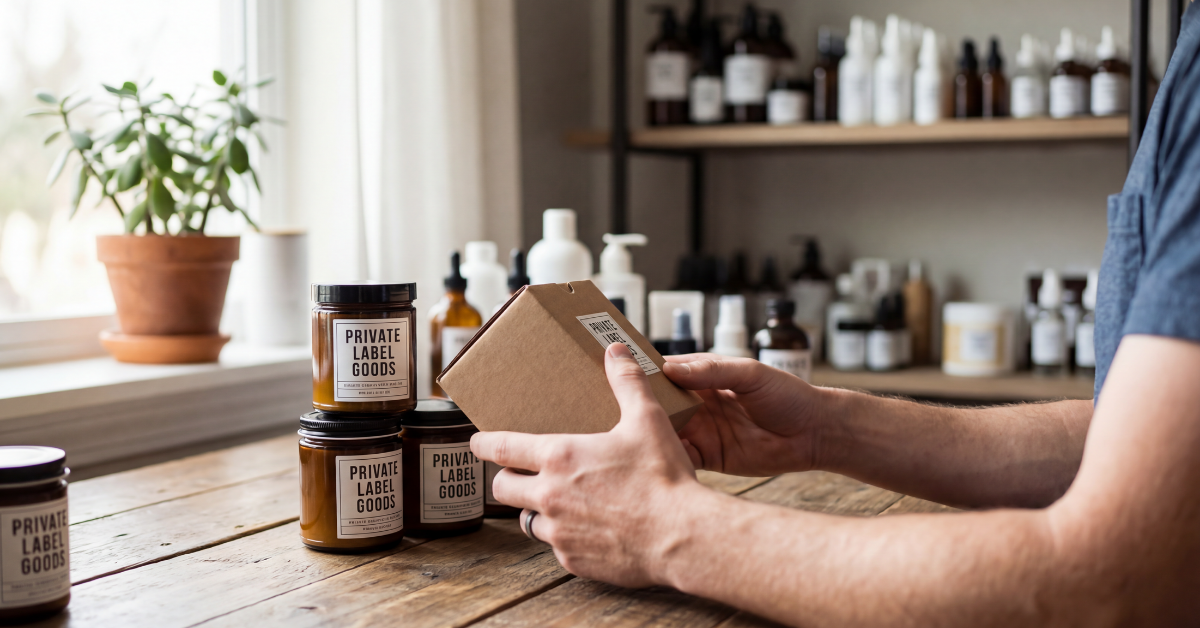
White label products in the eco-friendly household category are experiencing a surge that's hard to ignore. According to Food Business News, sustainability-driven private label lines are among the fastest-growing segments retailers are actively investing in heading into 2026.
What makes this category particularly strategic is the margin structure. Biodegradable cleaning supplies, reusable storage solutions, and compostable kitchen products carry strong perceived value — consumers willingly pay a premium for environmental credibility, which means your brand captures that upside rather than a national label.
Key product opportunities include:
- Bamboo household essentials (paper towels, utensils, cutting boards)
- Concentrated cleaning solutions with refillable packaging
- Beeswax or plant-based food wraps
- Compostable trash bags and kitchen liners
One practical approach is targeting the "eco-curious" buyer — shoppers aware of sustainability but not yet committed to premium green brands. Your private label positions directly in that gap.
If you're exploring broader eco-product angles, this guide on seasonal product sourcing covers environmentally conscious categories that consistently outperform during peak retail periods.
Eco-conscious private label brands that educate while they sell consistently outperform those that simply slap a green label on generic inventory.
The competitive moat here isn't just the product — it's certifications, transparent sourcing claims, and packaging design. Those elements are harder to replicate quickly, giving early movers a durable advantage.
As eco-friendly products cement brand loyalty through values alignment, the next category takes a different but equally powerful approach — connecting with consumers through their personal health goals. Fitness wearables are rewriting what's possible for private label sellers willing to go beyond the obvious.
FAQs: Eco-Friendly Household Products as Private Label
1. Are eco-friendly household products genuinely profitable as white label products, or is the margin too thin?
Margins are actually stronger than many sellers expect. Because eco-friendly products carry a sustainability premium in consumer perception, brands routinely price bamboo or concentrated-formula products 30–60% above conventional equivalents. The key is sourcing manufacturers with credible certifications (FSC, B Corp suppliers, USDA Certified Biobased) so your pricing is defensible. Thin margins typically result from competing on price rather than brand story — a mistake easily avoided with proper positioning.
2. What certifications matter most for private label eco-household products?
Certifications vary by product type, but the most recognized include FSC certification for wood/bamboo-based items, EPA Safer Choice for cleaning formulas, and ASTM D6400 for compostable claims. Carrying even one credible certification meaningfully reduces customer skepticism and can differentiate your listing in crowded marketplaces. Always verify that your white-label manufacturer holds the certification directly — not just claims to comply with the standard.
3. How saturated is the eco-friendly household private label market in 2026?
The category is growing faster than new entrants are filling it. Food Business News notes that private label in sustainability-adjacent categories remains underpenetrated relative to consumer demand. The real saturation risk is in generic positioning — "eco-friendly" alone isn't a brand. Sellers who layer in a specific angle (zero-waste kitchen, plastic-free cleaning, etc.) find significantly less direct competition.
4. Can I start a white label dropshipping model with eco-friendly household products?
Yes, though it requires vetting suppliers carefully. Some manufacturers offer white label dropshipping arrangements where they fulfill orders under your brand. The challenge in eco-products specifically is that packaging authenticity matters enormously — flimsy or non-recyclable packaging undermines the brand story immediately. Prioritize suppliers who offer custom sustainable packaging as part of their white-label service.
5. What's the biggest mistake sellers make when launching eco-friendly private label products?
Overpromising on environmental claims without substantiation. Greenwashing — even unintentional — is increasingly scrutinized by both consumers and regulators. The FTC's Green Guides provide clear standards for terms like "biodegradable," "recyclable," and "sustainable." Sellers who build their brand on verified, specific claims (rather than vague language) earn stronger long-term customer trust and avoid reputational or legal exposure down the line.